
Face swapping technology has rapidly advanced, moving beyond simple one-to-one swaps to more complex scenarios involving multiple faces. This article delves into the cutting-edge techniques that power these intricate transformations, their applications, ethical considerations, and the future of this evolving field.
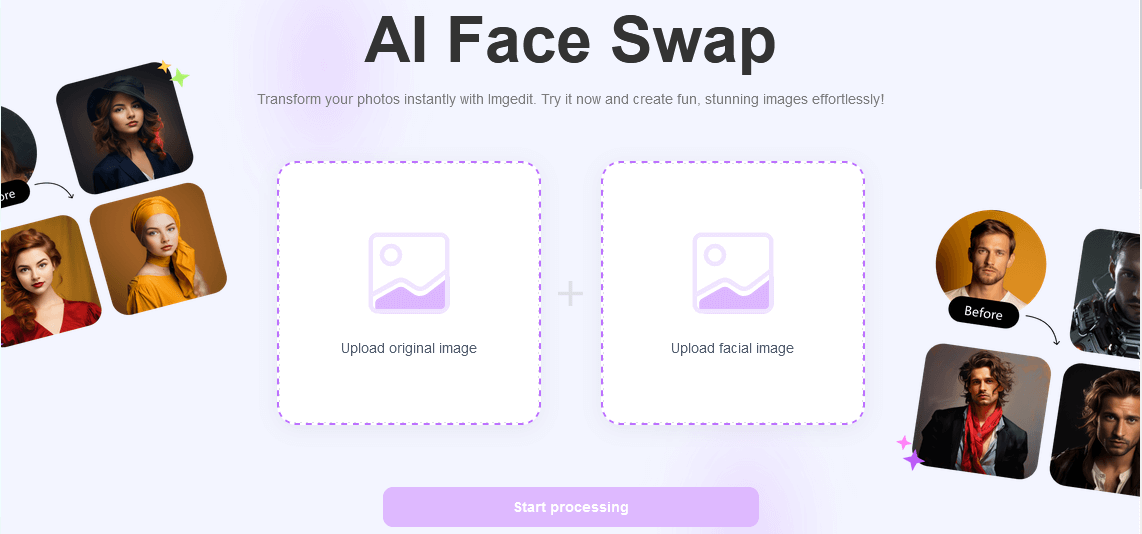
Understanding Multiple Face Swapping
Multiple face Switching refers to the process of replacing multiple faces within a single image or videotape with others. This can involve swapping faces between individuals within a group, or even replacing everyone’s faces with entirely different ones. This technology has numerous applications, ranging from entertainment and creative projects to research and education.
The Evolution of Face Swapping
Face swapping began as a simple cut-and-paste activity, manually swapping faces using photo editing software like Photoshop. These early methods were time-consuming and often produced unrealistic results. The development of more advanced techniques began with the rise of computer vision and machine learning, particularly the emergence of convolution neural networks (CNNs).
Deep Learning and Generative Adversarial Networks (GANs)
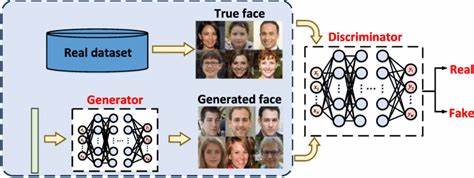
The introduction of deep learning and Generative Adversarial Networks (GANs) revolutionized face swapping. GANs correspond of two neural networks a creator that creates images and a discriminator that evaluates them. Through this adversarial process, GANs can generate highly realistic images, making them ideal for face swapping.
GAN-based models like Deep Fakes and Face Swap have become popular tools for creating realistic face swaps. Deep Fakes, in particular, uses a type of neural network called an auto encoder to encode and decode faces. By training on vast datasets of faces, these models learn to map facial features accurately, resulting in seamless face swaps.
Advanced Techniques
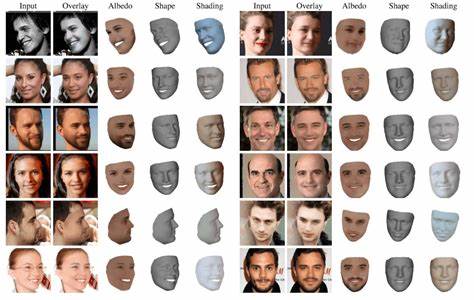
3D Morph able Models: These models create a 3D representation of a face, allowing for more accurate and realistic face swaps, especially when dealing with different angles and expressions. By analyzing the underlying facial structure, these models can generate more convincing results.
Generative Adversarial Networks (GANs): GANs consist of two neural networks working in tandem: a generator that creates fake images and a discriminator that tries to identify real versus fake. In face swapping, GANs can be used to refine the swapped faces, ensuring they blend seamlessly with the target image or video.
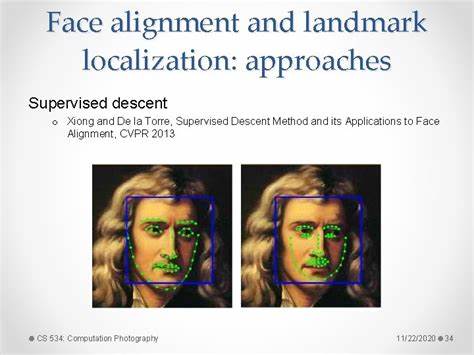
Landmark Detection and Alignment: Precisely detecting facial landmarks (e.g., eyes, nose, and mouth) and aligning them between the source and target faces is crucial for achieving realistic results. Advanced algorithms can adapt to different head poses and lighting conditions, improving the accuracy of the swaps.
Expression Transfer: This technique allows for transferring facial expressions from one person to another. By capturing and analyzing facial movements, it’s possible to recreate those expressions on a different face, enhancing the realism of the swap.
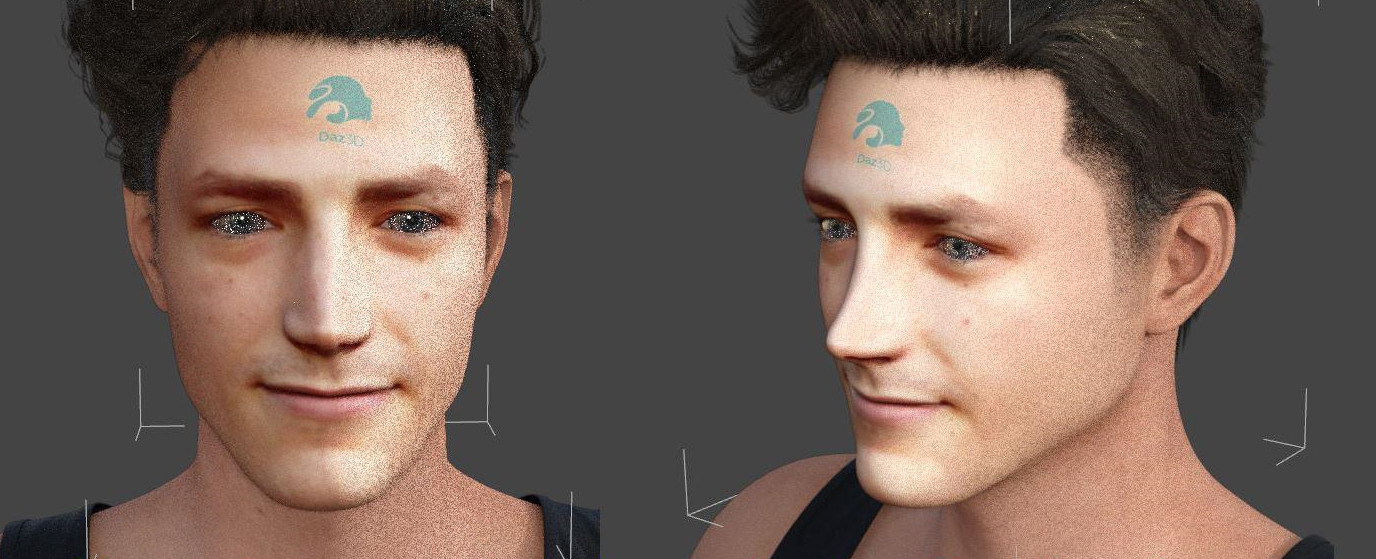
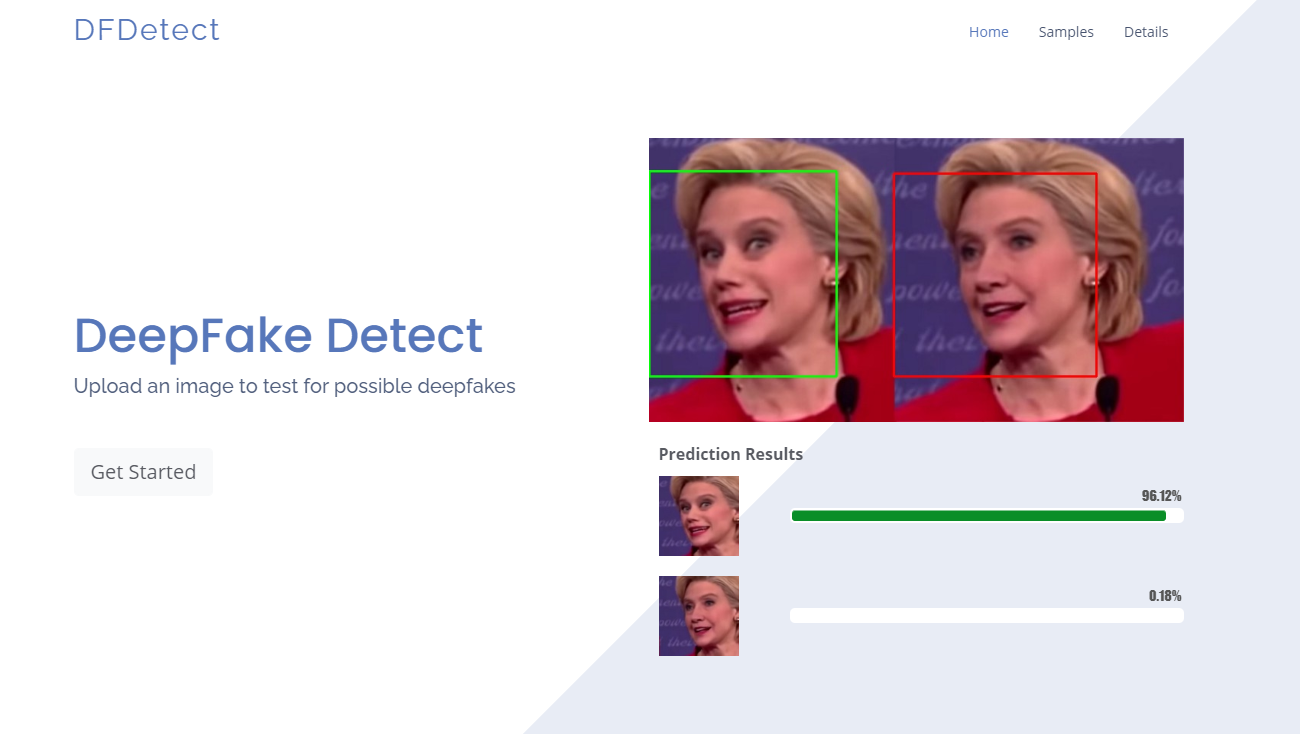
Deep fake Detection and Prevention: With the rise of deepfakes, there’s a growing need for techniques to detect and prevent malicious use of face swapping technology. Research is ongoing to develop tools that can identify manipulated content and verify the authenticity of media.
Applications
- Entertainment:Face swapping has become popular in movies, TV shows, and online videos for comedic or dramatic effect.
- Social Media and Personalization:Users can experiment with different looks or create humorous content.
- Virtual Try-On:In e-commerce, face swapping allows customers to see how clothes or accessories might look on them.
- Education and Research:The technology can be used for simulations, training, and understanding facial recognition.
Ethical Considerations
The potential for misuse of multiple face swapping technology, particularly in creating deepfakes, raises significant ethical concerns. These manipulated videos can be used to spread misinformation, harm reputations, or even influence political events. It’s essential to establish clear guidelines and regulations to mitigate these risks.
The Future of Multiple Face Swapping
- Increased Realism:As algorithms and computational power improve, face swaps are expected to become increasingly realistic and difficult to detect.
- Real-Time Swapping:Advances in real-time processing could enable live face swapping during video calls or broadcasts.
- Ethical Frameworks:The development of robust ethical guidelines and tools for detecting deep fakes will be crucial to ensure responsible use of this technology.
- Creative Applications:Artists and creators will continue to push the boundaries, exploring new and innovative ways to utilize face swapping in their work.
Conclusion
Multiple face swapping represents a fascinating intersection of technology and creativity. While the potential for misuse exists, the advancements in this field also hold promise for numerous positive applications. As technology continues to evolve, it’s imperative to balance innovation with ethical considerations, ensuring that this powerful tool is used responsibly for the benefit of society.
FAQs
- What are the key technologies behind advanced face-swapping techniques?
Advanced face-swapping techniques rely heavily on deep learning, particularly Generative Adversarial Networks (GANs). GANs involve two neural networks—the generator, which creates images, and the discriminator, which evaluates them. This adversarial process enables the generation of highly realistic images. Other crucial technologies include convolution neural networks (CNNs) for facial feature detection and alignment, 3D face reconstruction for dynamic face swapping, and texture mapping and blending for seamless integration of swapped faces.
- How does 3D face reconstruction improve face-swapping results?
3D face reconstruction enhances face-swapping by creating a three-dimensional model of the face, capturing its geometry and texture. This allows for more accurate swaps in various poses and lighting conditions, overcoming the limitations of traditional 2D face-swapping techniques. By constructing a detailed 3D model, it becomes possible to achieve realistic face swaps even when the face changes angles or expressions, providing a more lifelike and dynamic result.
- What are the primary applications of multiple face-swapping technology?
Multiple face-swapping technology has diverse applications across various fields:
- Entertainment and Media: Used in films for special effects and in games for character customization.
- Social Media and Augmented Reality: Popular in apps like Snap chat and Instagram for fun and engaging filters, as well as in AR applications for immersive experiences.
- Education and Training: Utilized in medical training for patient simulations and in historical education to bring historical figures to life.
- Privacy and Security: Although this technology can be misused, it also aids in developing detection methods for malicious deep fakes.
